Nigeria’s decision to fix June 17, 2026, for the nationwide rollout of the Digital Switch Over (DSO) project may become one of the most consequential technology and media policy shifts in the country’s recent history. After years of delays, missed deadlines and abandoned pilot phases, the Federal Government now says the migration from analogue broadcasting to digital television transmission is finally ready for full national implementation.
The announcement goes beyond television signals and picture quality. The Digital Switch Over represents a structural transformation of Nigeria’s broadcasting ecosystem, advertising industry, content economy, satellite infrastructure and digital communication framework. It also places Nigeria back into alignment with global broadcasting standards that many countries adopted years ago.
For Africa’s largest economy and most populous nation, the stakes are significant. The rollout could unlock new revenue streams for broadcasters, expand digital inclusion, strengthen creative industries and create a modern audience measurement system that has largely been absent in Nigeria’s media industry.
However, the transition also comes with serious concerns. Questions remain about infrastructure readiness, consumer awareness, affordability of digital devices, power supply limitations and the ability of regulators to sustain the new ecosystem after launch.
The June 17 launch therefore represents both an opportunity and a test.
What Nigeria’s Nationwide Digital Switch Over Means
Digital Switch Over (DSO) refers to the migration from analogue television broadcasting to digital broadcasting technology.
Under analogue broadcasting, television signals occupy larger portions of the spectrum, provide lower picture quality and limit the number of channels available to viewers. Digital broadcasting compresses signals more efficiently, allowing multiple channels to operate within the same spectrum space while delivering clearer audio and video quality.
In practical terms, the transition means Nigerians will gradually move away from traditional analogue television reception toward digital television systems supported by digital-ready televisions, set-top boxes, satellite technology and mobile applications.
The Minister of Information and National Orientation, Mohammed Idris, described the transition as the formal movement of Nigeria’s transmission system “from analogue to digital.” According to the government, the new DSO platform will launch with about 100 television channels and will eventually transition fully to high-definition broadcasting.
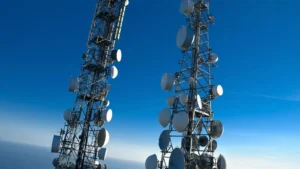
The National Broadcasting Commission and NigComSat claim that the platform will integrate satellite transmission, mobile applications, and digital terrestrial television infrastructure to achieve nationwide coverage.
The project also aims to create a unified national broadcasting platform capable of serving viewers across urban and rural communities.
Why Nigeria Delayed the Digital Switch Over for Years
Nigeria’s Digital Switch Over journey has been unusually slow.
The country first initiated the digital migration process in 2016 after the International Telecommunication Union pushed member states to abandon analogue broadcasting. Several African countries completed the transition years ago, but Nigeria struggled with funding problems, policy inconsistencies, regulatory disputes and infrastructure gaps.
Pilot launches took place in a limited number of states, but nationwide implementation repeatedly stalled.
The government admitted that earlier Digital Switch Over efforts faced major technical and commercial limitations. One major issue involved encrypted set-top boxes that restricted user flexibility and increased costs for consumers.
According to Mohammed Idris, the current rollout differs because the service is now largely free and supported financially by the government.
The National Broadcasting Commission disclosed in 2024 that President Bola Tinubu approved a ₦10 billion grant to support the nationwide expansion of digital television coverage.
That funding appears to have revived a project many industry observers believed had already failed.
How Other Countries Implemented Digital Switch Over
Nigeria is entering a transition phase that several countries completed years ago.
The United Kingdom completed its Digital Switch Over process in 2012. The transition expanded free television access, improved broadcast quality and freed spectrum for broadband development. Britain also witnessed rapid growth in niche television channels and digital advertising after the migration.
The United States switched fully from analogue to digital television broadcasting in 2009. The transition opened valuable spectrum for telecommunications services and accelerated wireless broadband expansion.
South Africa experienced delays similar to Nigeria’s, mainly due to policy disagreements and disputes over set-top box standards. However, the country eventually accelerated digital migration to avoid spectrum congestion and improve telecommunications efficiency.
Kenya completed its digital migration in phases and witnessed increased competition among broadcasters, lower transmission costs and wider content diversity.
India used digital migration to modernise broadcasting while expanding regional language content across its vast population.
The global pattern is consistent. Countries that completed digital switch over generally recorded better spectrum management, stronger broadcasting industries and improved telecommunications capacity.
Nigeria hopes to replicate those outcomes while avoiding the failures that slowed its earlier attempts.
The Economic Impact on Nigeria’s Broadcasting Industry
The biggest immediate impact of the Digital Switch Over may emerge in Nigeria’s broadcasting economy.
Under the analogue system, broadcasters operated within limited spectrum capacity and faced constraints in channel expansion. Digital transmission removes much of that limitation.
The new DSO platform is expected to create a more competitive television environment where multiple broadcasters can operate simultaneously with improved signal quality.
Mohammed Idris said competition among broadcasters would increase significantly after the rollout. That competition could reshape Nigeria’s television market in several ways.
First, broadcasters may begin investing more aggressively in original programming to attract viewers.
Second, independent content creators could gain wider distribution opportunities through regional studios and expanded channel capacity.
Third, advertising revenue may increase because digital measurement tools can provide more reliable audience data.
The Nigerian television advertising industry has long suffered from weak audience analytics. Advertisers often rely on estimates instead of accurate real-time viewing patterns.
The government says the Digital Switch Over platform introduces scientific audience measurement systems capable of tracking who watches specific programmes and how many viewers tune in. That development could transform media buying decisions in Nigeria.
Brands would be able to allocate advertising budgets more efficiently, while broadcasters could attract advertisers using verifiable audience data.
How the Digital Switch Over Could Strengthen Nigeria’s Creative Economy
Nigeria’s creative sector may become one of the biggest beneficiaries of the digital migration.
The expansion from limited analogue channels to potentially hundreds of digital channels creates strong demand for local content.
More channels require more programmes, documentaries, films, sports content, educational shows and regional productions.
The NBC says it has already established six regional studios nationwide to support content creators outside Lagos and Abuja. That decentralisation matters.
Nigeria’s entertainment industry remains heavily concentrated in a few major cities. Regional production centres could reduce barriers for emerging creators across other states.
The DSO rollout may also increase demand for technical professionals including editors, camera operators, animators, scriptwriters, sound engineers and broadcast technicians.
If managed effectively, the transition could support thousands of jobs across Nigeria’s media and creative industries.
Tech Solutions the DSO Could Bring to Nigeria
The Digital Switch Over is fundamentally a technology infrastructure project.
Beyond television broadcasting, it introduces several important tech solutions that could influence Nigeria’s broader digital economy.
Better Spectrum Efficiency
Digital broadcasting frees up valuable radio spectrum that governments can reallocate to telecommunications and broadband services.
This spectrum dividend can support faster internet expansion, improved mobile connectivity and broader digital inclusion.
For Nigeria, which still faces serious broadband penetration challenges in rural areas, that advantage is significant.
HD and Mobile Broadcasting
The government says Nigeria will gradually migrate fully to high-definition broadcasting after launch. The platform will also support mobile viewing through applications and satellite integration.
That aligns with changing media consumption habits, especially among younger Nigerians who increasingly watch content through smartphones and tablets.
Satellite Infrastructure Expansion
NigComSat Managing Director Jane Egerton-Idehen said the government plans to launch two additional satellites to strengthen service delivery and coverage. Expanded satellite infrastructure could improve communication services beyond broadcasting alone.
Satellite capacity can support education technology, telemedicine, disaster communication and rural connectivity.
Data-Driven Advertising
One of the most commercially important innovations involves audience measurement technology.
Digital broadcasting systems generate detailed analytics about viewership behaviour, helping advertisers understand demographics, programme preferences and engagement patterns.
That could modernise Nigeria’s advertising industry and align it more closely with global digital advertising standards.
The Advantages of Nigeria’s Digital Switch Over
The nationwide DSO rollout offers several strategic advantages.
Improved Picture and Sound Quality
Digital broadcasting delivers clearer images and stronger audio signals compared to analogue systems.
More Television Channels
The platform is expected to launch with around 100 channels, significantly increasing viewing options.
Wider Geographic Coverage
Satellite integration could improve access for underserved rural communities.
Lower Transmission Costs
Broadcasters may eventually reduce operating costs because digital systems use spectrum more efficiently.
Stronger Competition
New market entrants could challenge dominant broadcasters and stimulate innovation.
Better Advertising Analytics
Audience measurement systems can improve advertising efficiency and revenue generation.
Growth in Local Content
Increased channel capacity creates demand for Nigerian programming and regional productions.
Spectrum Dividend
Free spectrum can support telecommunications expansion and internet development.
The Disadvantages and Risks
Despite the potential benefits, the transition also presents major risks.
Consumer Costs
Although the government says some costs have been absorbed, millions of Nigerians may still need digital-ready televisions or compatible set-top boxes.
For low-income households, those costs may create barriers.
Power Supply Problems
Nigeria’s electricity challenges remain severe.
Digital broadcasting systems still depend heavily on stable power access for both broadcasters and consumers.
Rural Connectivity Gaps
Some remote communities may continue facing signal limitations despite satellite expansion plans.
Technical Literacy Challenges
Many users may require support installing and operating digital systems.
The NBC says it plans to deploy certified installers and multilingual call centres nationwide.
Risk of Policy Inconsistency
Nigeria’s history of abandoned technology projects continues to create scepticism.
Long-term sustainability will depend on consistent policy execution and regulatory stability.
Can Nigeria’s DSO Compete With Pay Television Platforms?
The government insists the DSO platform is not designed specifically to replace subscription television providers.
However, the project could increase pressure on pay-TV operators by offering free access to more channels and improved quality.
BusinessDay reported that Mohammed Idris said the rollout would help break monopoly structures in the broadcasting sector. That statement reflects broader industry expectations.
If Nigerians gain access to free high-quality digital television with extensive content options, some households may reconsider expensive subscription services.
Still, premium sports rights, exclusive entertainment content and international programming may continue protecting pay-TV dominance in certain segments.
Why June 17, 2026 Matters for Nigeria’s Digital Economy
The June 17 launch carries symbolic and economic importance.
For years, Nigeria’s inability to complete digital migration exposed weaknesses in infrastructure planning and policy coordination.
Completing the DSO rollout would signal that large-scale national technology projects remain achievable despite institutional delays.
It would also strengthen Nigeria’s credibility within Africa’s technology and media ecosystem.
The rollout comes at a time when digital infrastructure increasingly shapes economic competitiveness.
Countries that modernise communications systems tend to attract stronger investment in media, advertising, telecommunications and digital services.
Nigeria’s broadcasting sector has operated below its full commercial potential for years. The DSO transition may finally unlock some of that dormant capacity.
Nigeria’s Digital Switch Over Is Bigger Than Television
Nigeria’s nationwide Digital Switch Over rollout is not simply a television upgrade.
It is a national digital infrastructure project with implications for media economics, advertising technology, creative industries, satellite communications and broadband development.
The transition could modernise audience measurement, expand free television access, stimulate local content production and strengthen Nigeria’s position in Africa’s digital economy.
However, success will depend on execution.
The government must ensure consumer affordability, technical reliability, public awareness and long-term regulatory consistency. Without those conditions, the rollout could face the same operational challenges that undermined earlier DSO efforts.
For now, June 17, 2026 stands as a decisive moment in Nigeria’s long-delayed transition from analogue broadcasting to a fully digital media environment.
If implemented effectively, the Digital Switch Over could become one of the most important media and technology reforms in modern Nigeria.