Africa’s energy paradox is clear and persistent. The continent holds some of the world’s richest solar resources, yet it remains the least electrified region. More than 620 million people in sub-Saharan Africa still lack access to electricity, while nearly 730 million rely on traditional biomass for cooking. This imbalance reflects not a shortage of energy, but a shortage of systems that can convert natural advantage into reliable power.
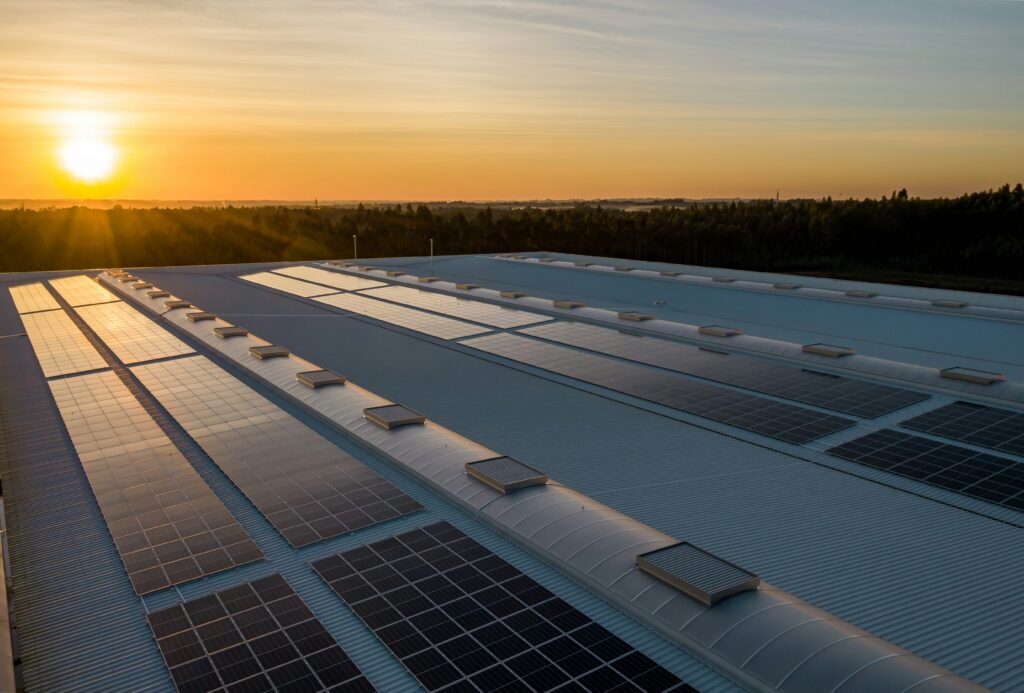
Solar energy offers a direct path to closing that gap. The continent receives over 4,300 hours of sunshine annually, with solar radiation levels among the highest globally. Technical potential is vast. Estimates suggest that sub-Saharan Africa alone could generate up to 6,500 terawatt-hours of solar power each year. Yet deployment remains limited. The central question is no longer whether Africa can use solar energy, but whether it can produce the technology locally to scale access quickly and affordably.
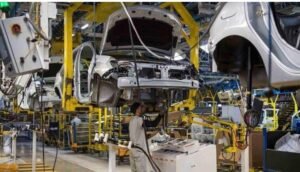
Local manufacturing of solar panels and components is emerging as a strategic solution. It reduces dependence on imports, lowers costs over time, and builds domestic industrial capacity. It also aligns with the structural realities of African energy demand, which is decentralised, fast-growing, and often rural. Grid expansion alone cannot meet this demand. Distributed solar systems can.
Several companies are already shaping this power transition. In Nigeria, Arnergy provides solar hybrid systems for homes and businesses. Its model replaces unreliable grid supply and diesel generators with modular solar units supported by battery storage. According to the company, its systems can cut energy costs by up to 40 percent for commercial users while delivering consistent power. More importantly, it offers financing plans that spread costs over time, making solar accessible to middle-income households.
Another Nigerian firm, Lumos, focuses on pay-as-you-go solar. Customers install rooftop panels and pay daily or monthly through mobile networks. This model shows a broader trend across Africa, where energy access depends as much on financing innovation as on technology. Lumos reports that it has connected hundreds of thousands of households, many of which had no prior access to electricity.
Across East Africa, M-KOPA has refined this model further by integrating solar energy with digital credit systems. The company uses mobile money data to assess creditworthiness and finance solar kits. A senior executive noted in an interview with Reuters that “affordability is the real barrier, not demand,” highlighting the importance of financial engineering in scaling solar adoption.
In manufacturing, progress remains uneven but significant. South Africa hosts some of the continent’s most advanced solar production facilities. Companies such as ARTsolar produce photovoltaic panels locally, reducing reliance on imports from Asia. The country has also invested heavily in large-scale solar projects, with installed capacity exceeding 1,300 megawatts as early as 2016. This industrial base provides a template for other African economies https://ember-energy.org/latest-insights/the-first-evidence-of-a-take-off-in-solar-in-africa/.
North Africa has moved even faster. Morocco’s solar strategy combines large-scale generation with industrial ambition. The Noor Ouarzazate complex, one of the largest solar plants globally, has a capacity of about 500 megawatts and forms part of a broader plan to reach 2,000 megawatts. The Moroccan government has linked these investments to local supply chains, aiming to capture more value within the domestic economy.
The benefits of local solar production extend beyond energy access. First, it strengthens energy security. Many African countries depend on imported fuel or equipment, which exposes them to price volatility and currency risk. Domestic manufacturing reduces this exposure.
Second, it creates jobs and industrial capabilities. Solar panel production requires skills in engineering, materials science, and electronics. These sectors can support broader economic diversification. The African Development Bank has argued that renewable energy industries could become a major source of employment if supported by consistent policy frameworks.
Third, it improves resilience at the household level. Off-grid and mini-grid systems reduce dependence on unstable national grids. In countries such as Nigeria and Ghana, where outages are frequent and tariffs are high, solar systems provide predictable and often cheaper power. This is critical for small businesses, which account for a large share of employment.
However, challenges remain substantial. Financing is the most significant constraint. Many solar projects rely on foreign capital, and local financial markets often lack the depth to support large-scale investment. Policy uncertainty also deters investors. In several countries, regulatory frameworks for solar development remain unclear or inconsistent.
Infrastructure gaps present another barrier. Weak transmission networks limit the integration of large-scale solar plants, while poor logistics increase the cost of distributing equipment to rural areas. Maintenance capacity is also limited. Without skilled technicians, systems can fail prematurely, undermining confidence in the technology.
Despite these constraints, the direction of travel is clear. The International Energy Agency has noted that decentralised solar solutions could deliver nearly half of new electricity connections in sub-Saharan Africa by 2030. This reflects both the scale of demand and the flexibility of solar technology.
The broader implication is structural. If Africa develops a local solar manufacturing base, it can change from being a consumer of imported energy systems to a producer of its own infrastructure. This would accelerate electrification, reduce costs, and support industrial growth.
For households, the impact is immediate and practical. Solar systems can power lighting, refrigeration, and communication devices. They can support education and healthcare. They can also reduce reliance on biomass, which contributes to an estimated 600,000 premature deaths each year due to indoor air pollution.
The transition will not be automatic. It requires coordinated policy, sustained investment, and technical capacity. Governments must provide clear regulations and incentives to ensure effective implementation. Financial institutions must develop products tailored to energy access. Companies must continue to innovate in both technology and business models.
Africa’s solar potential has long been recognised. The next phase is to convert that potential into production. If the continent can build and deploy its own solar panels at scale, it will not only meet its electricity needs. It will redefine its position in the global energy economy.